10 Simple Techniques For Property Management Services
Table of ContentsEverything about Property Management Services
:max_bytes(150000):strip_icc()/property-management.asp-final-18ee5785bd5b419fbb3732b0afa859c8.png)

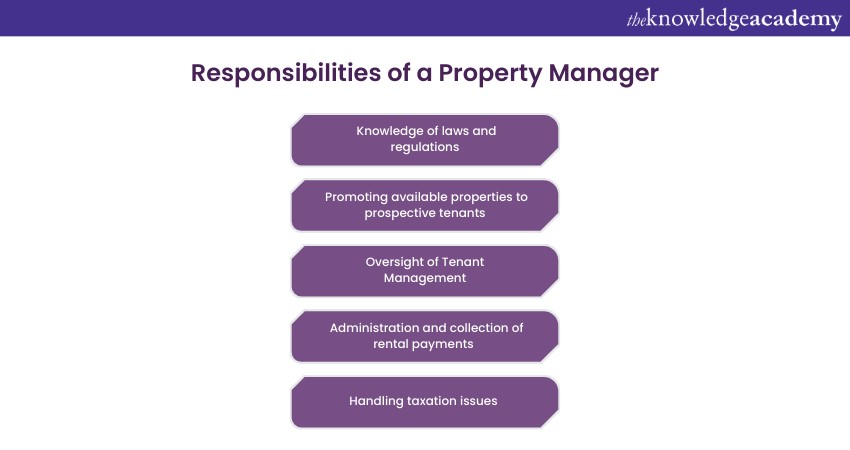
Property administration professionals, likewise called residential or commercial property supervisors, play a crucial role in keeping the value, capability, and earnings of realty properties. They offer as the intermediary between homeowner and lessees, making certain smooth procedures while securing the financial investment. The range of obligations for residential property administration experts is broad, covering financial, operational, lawful, and calculated responsibilities. Comprehending these obligations can supply insight right into why employing knowledgeable professionals is vital for both residential and commercial home owners.Financial ResponsibilitiesA core responsibility of home monitoring experts is managing the economic facets of a building. This starts with setting suitable rental rates by carrying out market evaluation and understanding comparable building worths in the location. Property supervisors evaluate local need, seasonal patterns, and financial factors to determine prices that are competitive yet profitable. Appropriate prices makes sure high tenancy prices while taking full advantage of profits for the residential or commercial property owner.Once prices are established, building management professionals take care of rent collection. They carry out constant systems to guarantee occupants pay on schedule, address late settlements skillfully, and implement lease terms when required. Beyond rental fee collection, residential property managers are in charge of budgeting. They track expenses such as fixings, upkeep, utilities, property tax obligations, and insurance premiums. By forecasting cash flow and maintaining accurate monetary records, they offer residential property proprietors with a clear understanding of property performance.Financial reporting is another important job. Residential property supervisors prepare monthly, quarterly, and annual records summarizing revenue, costs, and net operating earnings. These reports make it possible for proprietors to make informed choices about their financial investments. Furthermore, building managers typically coordinate with accountants or tax obligation professionals to make sure conformity with regional, state, and government tax guidelines, minimizing obligation threats for the residential or commercial property owner.Operational ResponsibilitiesProperty monitoring experts manage the daily operations needed to keep and enhance the residential property's condition. Maintenance and repair services are a substantial part of their obligations. This involves routine assessments to recognize possible issues, preventive upkeep to avoid costly repair services, and reacting quickly to lessee maintenance requests. Residential property supervisors collaborate with service providers, suppliers, and provider to carry out work efficiently and within budget.Another operational job is taking care of renter relationships. Home managers take care of issues, demands, and inquiries, functioning or making sure a positive living environment. Effective interaction promotes renter contentment and retention, which is critical for minimizing jobs and keeping regular profits streams. Property supervisors likewise conduct comprehensive screening of possible occupants, assessing history checks, credit report, employment confirmation, and rental recommendations to select reliable occupants.Compliance with building guidelines is a crucial functional responsibility. Property supervisors ensure that residential or commercial properties fulfill local building ordinance, safety requirements, and ease of access demands. They stay updated with changes in housing laws, zoning legislations, and landlord-tenant legislations, making sure that both the residential or commercial property and its administration practices stay authorized. This includes appropriate handling of down payments, eviction procedures, and fair real estate regulations.Leasing and Advertising ResponsibilitiesMarketing the home effectively is another vital duty. Home administration professionals develop and execute techniques to draw in occupants via several networks, consisting of on-line listings, social media sites, signs, and conventional marketing. They craft engaging residential or commercial property summaries, highlight essential services, and use specialist photography to showcase the property's appeal.The leasing process is additionally taken care of by residential or commercial property specialists. They prepare lease agreements, explain conditions and terms to lessees, and guarantee all lawful paperwork is precisely completed and signed. Lease revivals are monitored to keep high tenancy prices, and residential or commercial property supervisors often work out terms that benefit both the occupant and the owner. By handling this process expertly, home managers minimize threats connected with legal disputes and tenant dissatisfaction.Strategic ResponsibilitiesBeyond everyday administration, property management specialists offer tactical advice to improve long-term property value. They suggest owners on resources enhancements, remodellings, and home upgrades that can increase lease possible or draw in higher-quality tenants. They might conduct market research study to identify arising trends and chances for home development or diversification.Risk administration is a key critical obligation. Residential or commercial property supervisors identify potential hazards to the home's safety and security, financial security, or lawful standing and implement procedures to alleviate these risks. This includes evaluating insurance policy coverage, monitoring ecological threats, and implementing security protocols. Their strategic input helps building owners safeguard and grow their financial investment portfolio over time.Administrative ResponsibilitiesProperty monitoring includes extensive administrative site link work. Home supervisors preserve thorough records of leases, monetary deals, upkeep requests, examinations, and lessee interactions. Exact documentation supports legal compliance, provides accountability, and serves as a resource in attending to or dealing with additional info disputes renter concerns.Additionally, property managers coordinate with various other specialists, such as realty representatives, accounting professionals, lawyers, and insurance policy service providers, to guarantee seamless procedures. They might likewise handle supplier contracts, solution arrangements, and purchase of materials needed for residential property maintenance. Through these administrative features, building supervisors create a structured and efficient management system that benefits both homeowner and tenants.Tenant Retention and Area ManagementA substantial element of building monitoring is lessee retention. Residential property supervisors apply approaches to make certain occupants feel valued and pleased, including prompt maintenance, receptive communication, and area interaction. In commercial or multi-unit properties, building managers may organize events or initiatives that promote a sense of community, contributing to tenant commitment and lowering turn over rates (Property Management Services).They also moderate disputes in between lessees when disagreements emerge, using conflict resolution skills to preserve consistency within the property. By proactively addressing renter problems and fostering favorable relationships, residential property supervisors decrease job prices and keep a stable revenue stream for building owners.Sustainability and Technology IntegrationModern residential or commercial property monitoring increasingly entails sustainability practices. Residential property managers may execute energy-efficient upgrades, water preservation systems, and eco-friendly waste monitoring practices. By advertising lasting operations, residential property supervisors aid reduce operational prices, improve residential or commercial property value, and interest ecologically mindful tenants.Technology combination is also a growing obligation. Residential property monitoring software program permits supervisors to track leases, repayments, maintenance demands, and interaction successfully. Automated systems improve reporting, enhance data accuracy, and boost the total occupant experience. Innovation likewise makes it possible for home managers to examine efficiency metrics and determine opportunities for improvement, making sure that the building continues to be affordable in the market.Emergency and Situation ManagementProperty monitoring specialists have to be prepared to handle situations and emergency situations. This consists of natural calamities, fires, flooding, or other unanticipated occasions that might interrupt operations or damage the home. Building supervisors create emergency situation action plans, coordinate with local authorities, and ensure that occupants are notified and safe throughout such events. Their ability to react promptly and effectively lessens damages and preserves lessee confidence.Legal and Regulative ComplianceCompliance with local, state, and federal laws is a vital duty. Residential property management professionals make certain that all practices stick to landlord-tenant laws, reasonable real estate regulations, zoning regulations, and safety and security codes. They manage leases, manage evictions lawfully, and ensure appropriate documents for all property-related purchases. Staying notified regarding transforming regulations secures the homeowner from lawful disagreements, penalties, or penalties.ConclusionProperty management experts wear multiple hats, stabilizing functional, economic, lawful, see this page strategic, and administrative obligations. Their role prolongs past straightforward oversight; they are integral to optimizing property value, guaranteeing occupant contentment, and mitigating risks. By taking care of the intricacies of property operations, residential or commercial property managers allow proprietors to concentrate on more comprehensive financial investment goals while guaranteeing that properties are successfully preserved and profitable.From tenant testing and rent collection to marketing, maintenance, compliance, and long-term strategic preparation, residential or commercial property management specialists give thorough solutions that secure and enhance the worth of property financial investments. Their proficiency is vital for browsing the difficulties of home ownership, and employing skilled home monitoring experts is commonly a crucial element in achieving sustained success in the realty sector.In short, residential property monitoring professionals ensure that residential properties are not only maintained but optimized, developing atmospheres that are risk-free, well-functioning, and financially rewarding. Their varied responsibilities call for a combination of technological skills, legal understanding, economic acumen, and interpersonal capabilities. Inevitably, reliable residential or commercial property monitoring safeguards investments, optimizes returns, and adds to the long-lasting success of homeowner in a significantly competitive market.